Call us, 0722 418 493/0722 543 551

China
China
China is a vast country located in East Asia, known for its rich history, diverse culture, and significant global influence. It is the world’s most populous country, with over 1.4 billion residents. Covering an area of approximately 9.6 million square kilometers, China is the fourth-largest country in the world by land area.
The country boasts a wide range of geographical features, including mountains, plateaus, deserts, and rivers. Notable natural landmarks include the Himalayas, the Gobi Desert, and the Yangtze River, which is the longest river in Asia.
China’s history spans thousands of years, making it one of the oldest continuous civilizations. The country has a unique cultural heritage, with significant contributions to philosophy, art, science, and technology. Major cities such as Beijing, Shanghai, and Guangzhou serve as economic and cultural hubs, showcasing a blend of traditional and modern influences.
As a global economic powerhouse, China has the second-largest economy in the world, driven by manufacturing, technology, and services. The country plays a vital role in international trade and is a key player in various global initiatives.
China is also known for its rapid urbanization, with many cities experiencing significant growth and development. The Great Wall of China, the Forbidden City, and the Terracotta Army are just a few examples of the country’s rich historical sites that attract millions of tourists each year.
Overall, China’s vast landscape, dynamic culture, and economic prowess make it a fascinating country with a profound impact on the world stage.
Cities in China
Beijing
Beijing is the capital city of China and one of the most populous cities in the world. Rich in history and culture, it serves as the political, cultural, and educational center of the country. The city is renowned for its historical landmarks, including the Forbidden City, Tiananmen Square, and the Great Wall of China. Beijing’s modern skyline features impressive architecture, alongside traditional hutongs (narrow alleys) that reflect the city’s deep-rooted heritage. With a thriving arts scene, numerous museums, and diverse culinary offerings, Beijing attracts millions of visitors each year.
Shanghai
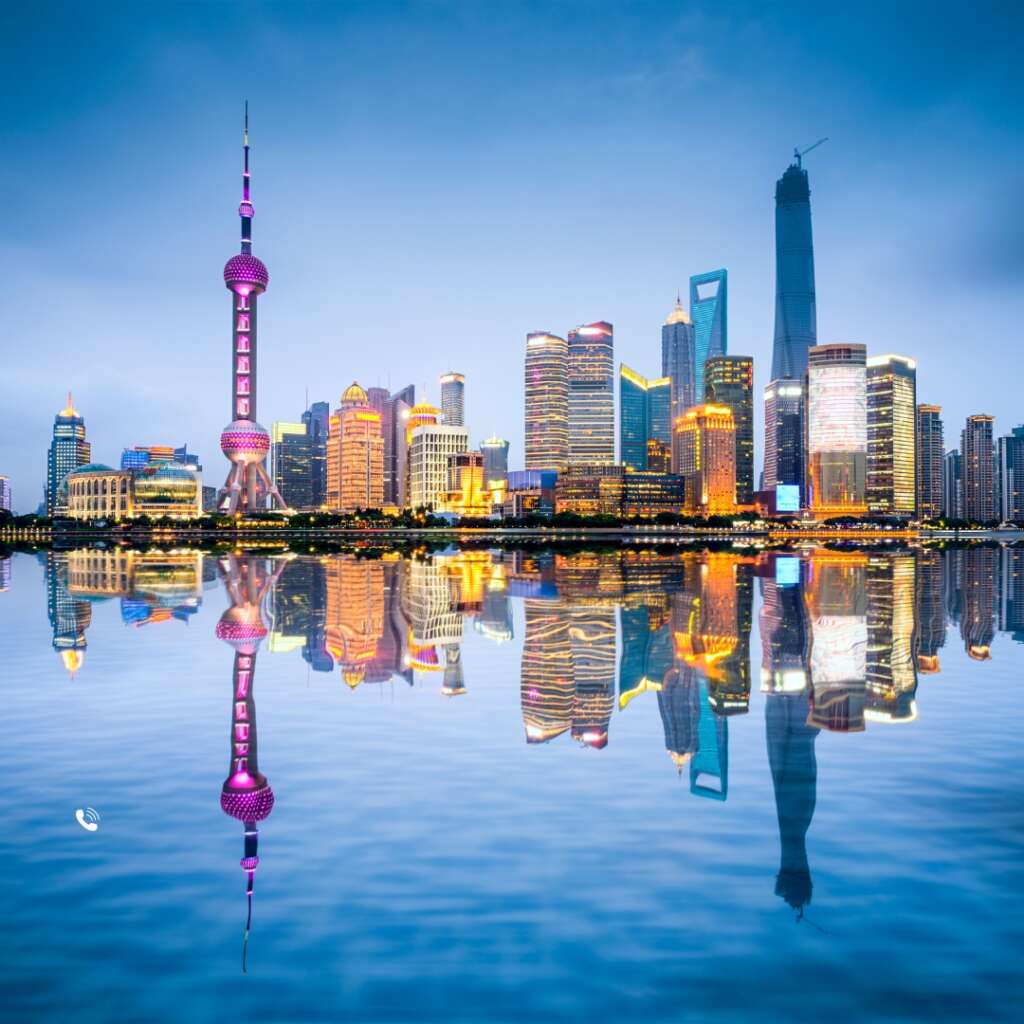
Shanghai is China’s largest city and a global financial hub. Located on the eastern coast, it is known for its modern skyline, dominated by the iconic Oriental Pearl Tower and the futuristic buildings of Lujiazui. Shanghai offers a blend of traditional Chinese culture and modernity, with attractions such as the historic Bund and vibrant neighborhoods like Xintiandi and Tianzifang. The city is a major center for commerce, finance, and technology, making it a sought-after destination for both businesses and expatriates.
Guangzhou
Guangzhou, located in southern China, is one of the country’s largest cities and a key manufacturing and trading hub. Known for its rich history and cultural diversity, Guangzhou offers a unique blend of ancient traditions and modern development. The city is famous for its Cantonese cuisine, with dishes like dim sum and roast duck drawing food lovers from around the world. Notable attractions include the Canton Tower, Chen Clan Ancestral Hall, and the bustling Shangxiajiu Pedestrian Street. Guangzhou is also a vital transportation and logistics center in China.
Shenzhen
Shenzhen is a modern metropolis located just north of Hong Kong. Known as China’s first Special Economic Zone, it has transformed from a small fishing village into a thriving city known for innovation and technology. Shenzhen is home to numerous tech companies, including Huawei and Tencent, making it a key player in the global tech industry. The city features futuristic architecture, vibrant shopping districts, and cultural attractions such as the Shenzhen Museum and the Dafen Oil Painting Village, attracting young professionals and entrepreneurs.
Xi’an
Xi’an is one of the oldest cities in China, famous for its rich history as the starting point of the Silk Road and the ancient capital of several dynasties. The city is most renowned for the Terracotta Army, a UNESCO World Heritage Site that attracts millions of tourists. Xi’an also features well-preserved city walls, the Big Wild Goose Pagoda, and the Muslim Quarter, known for its vibrant street food scene. The city combines ancient heritage with modern urban life, making it a unique destination for history enthusiasts.
Chengdu
Chengdu, the capital of Sichuan Province, is famous for its spicy cuisine and as the home of the giant panda. The city offers a laid-back atmosphere, traditional teahouses, and beautiful parks, such as the People’s Park. Chengdu is also known for its historical sites, including the Wuhou Shrine and Jinli Ancient Street. As a growing economic center, Chengdu has a diverse economy with strengths in technology, finance, and manufacturing, making it an attractive place for both living and working.
Why Choose China
Vibrant Cultural Heritage: China boasts one of the world’s oldest civilizations, offering foreigners an opportunity to immerse themselves in a rich cultural landscape filled with festivals, ancient traditions, and historic landmarks.
Dynamic Urban Centers: Cities like Beijing, Shanghai, and Shenzhen are characterized by their impressive skylines and bustling atmospheres, where ancient history coexists with cutting-edge technology and innovation.
Innovative Economy: As a global leader in technology and manufacturing, China presents extensive career opportunities in sectors like e-commerce, AI, and renewable energy, fostering an entrepreneurial spirit.
Affordable Living Costs: Many regions in China offer a lower cost of living compared to Western countries, allowing residents to enjoy a high quality of life without exorbitant expenses.
Culinary Diversity: From the spicy flavors of Sichuan cuisine to the delicate dishes of Cantonese fare, China’s vast culinary landscape provides an exciting array of dining experiences for food enthusiasts.
Natural Wonders: Beyond urban life, China is home to stunning natural attractions such as Zhangjiajie National Forest Park, Jiuzhaigou Valley, and the Yellow Mountains, offering breathtaking landscapes and outdoor activities.
Educational Excellence: China has invested heavily in education, with a growing number of universities ranking among the best in the world, attracting international students seeking quality education.
Cultural Exchange Opportunities: The government encourages cultural exchange programs, allowing foreigners to engage with local communities, learn the language, and appreciate the intricacies of Chinese culture.
Robust Infrastructure: China’s rapid development has led to modern transportation systems, including high-speed trains and extensive metro networks, making travel within the country convenient and efficient.
Commitment to Sustainability: With increasing awareness of environmental issues, China is actively pursuing green initiatives and investments in renewable energy, striving to balance economic growth with ecological responsibility.